
About Aviation Industry Association NZ
AIANZ is the peak membership body that represents the interest of the commercial aviation industry in New Zealand.
Founded in 1950, our overall goal is to support a safe, sustainable, and resilient sector.
So, while safety is front and centre of everything we do, we also enable our members and the wider aviation sector to grow and innovate.
From operators big & small
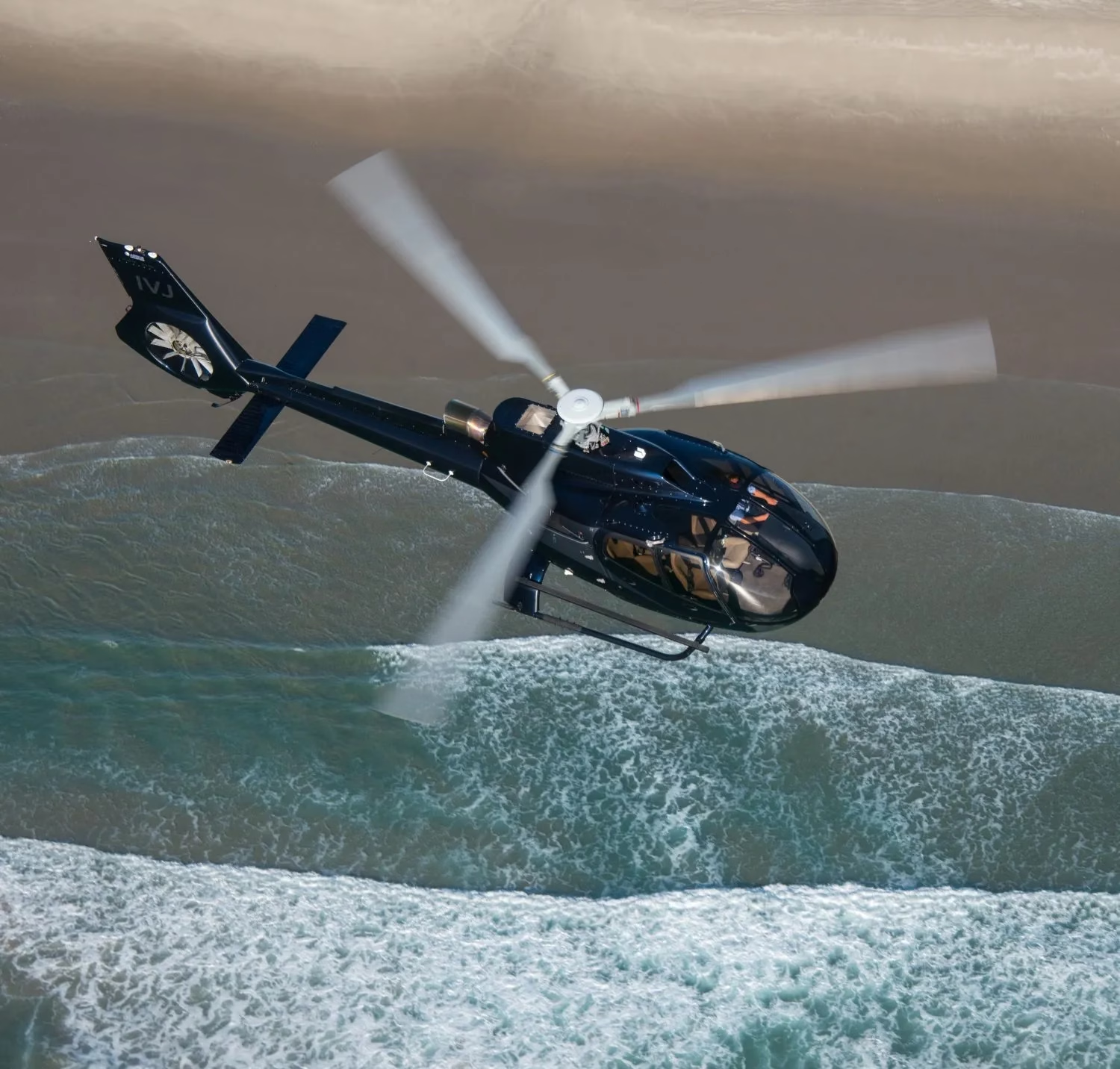
The members of the organisation includes around 300 operators from small to large businesses in many sectors of the industry. They include agriculture, animal recovery, scheduled and charter services, freight, heavy lifting, photography, search and rescue, surveillance, and tourism.
Our membership also includes companies that service, maintain, design or manufacture for these sectors. In more recent times, UAVs, largely drones, have become an important part of AIANZ’s diverse membership.
The AIANZ is organised into six divisions:
- NZ Agricultural Aviation Association (NZAAA)
- NZ Helicopter Association (NZHA)
- UAVNZ (Drones)
- Training and Development (T&D)
- Service, Supply and Engineering Division (SSE)
- Operational Division
Within the membership, there are also many individuals, including pilots and other people who have an ongoing or past involvement in the aviation industry
Our history
Take a look back at the people and milestones that helped shape the aviation industry we support today.
1950
AIA founded
1954
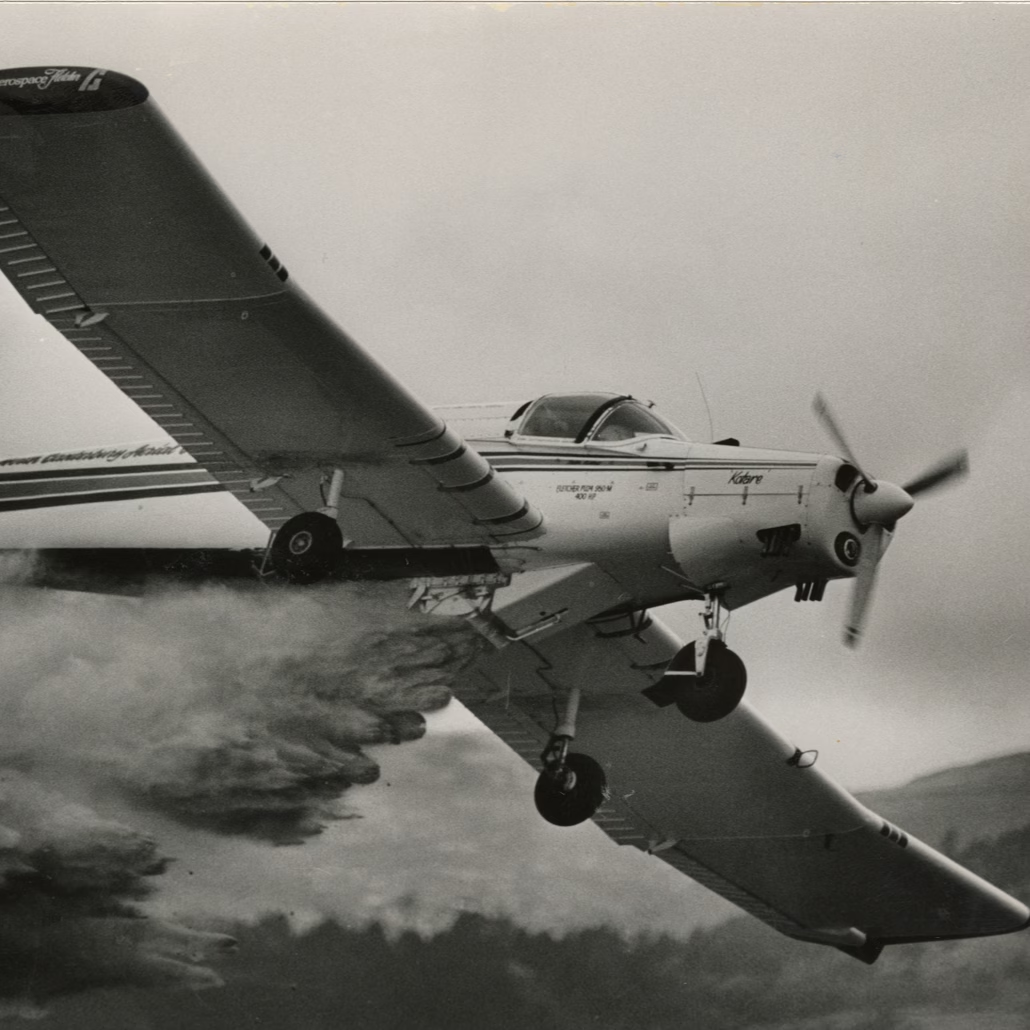
Fletcher FU24 introduced
The rapid expansion of New Zealands Aerial Agricultrual farming sectors drove innovation, exemplified by the collaborative development of the Fletcher FU24 aircraft with the United States. Designed specifically to meet New Zealand’s challenging terrain and distinctive climate, the FU24 became an enduring symbol of Kiwi innovation and practical engineering.
1956
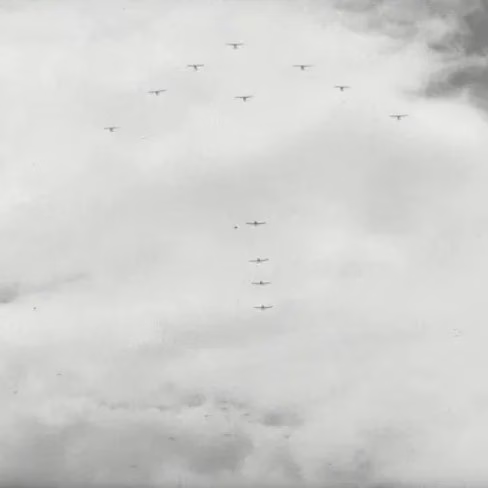
Duke of Edinburgh visits; becomes AIA life member in 1988
The Duke of Edinburgh was shown a display of New Zealands aerial farming techniques, this display was organised by the AIA.
1959
AIA appoints honorary medical adviser
AIA appointed a honorary medical adviser Dr A.M White, bridging the gaps between the medical and aviation industries
1960
Wellington Airport construction begins
1966
Auckland International Airport opens
1976
Helicopter division added to AIA
1978
NAC and TEAL merge to form Air New Zealand
1979
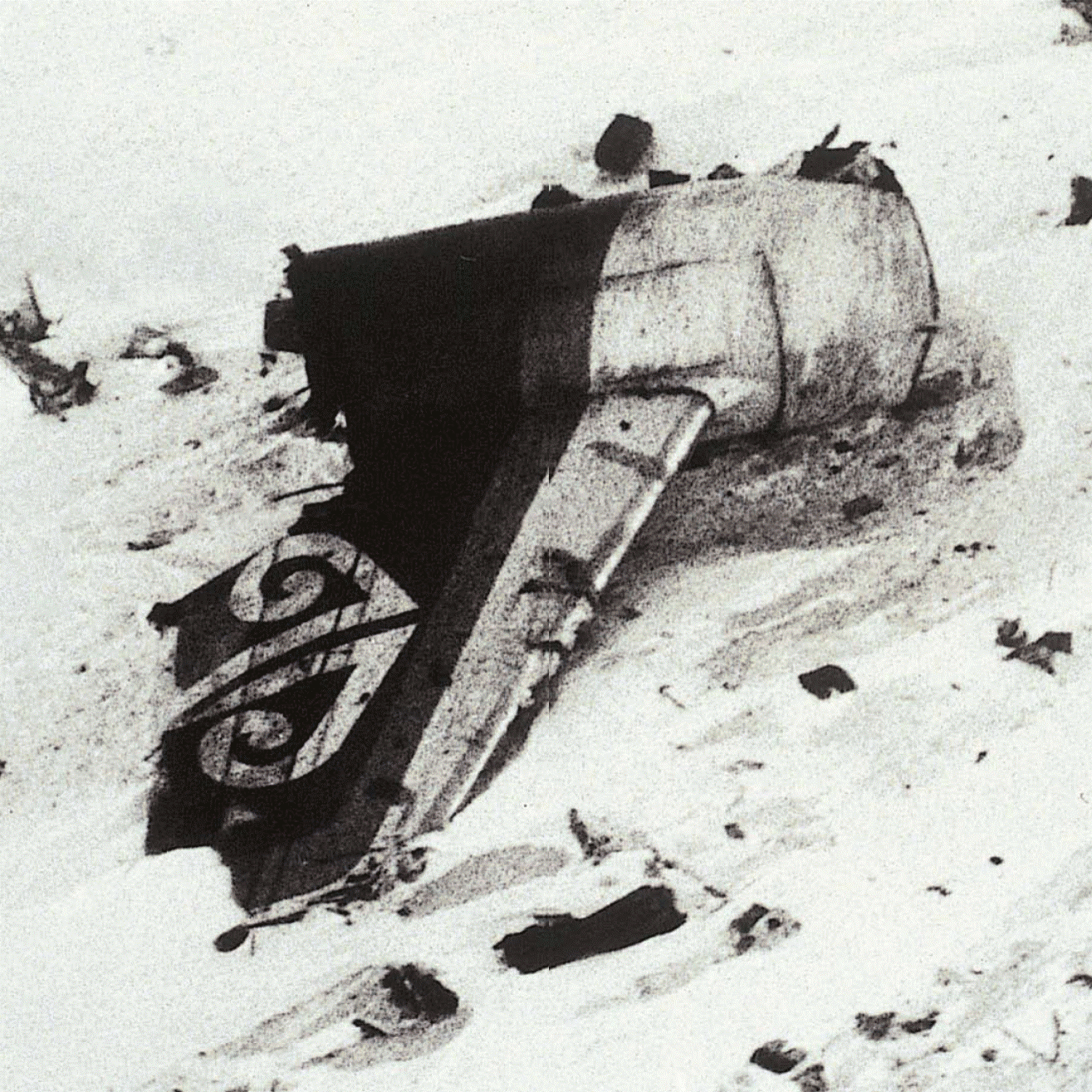
Mount Erebus disaster
1982
AIA Structural Transition
AIA structural transition to member-led governance.
1983
Air Services Licensing Act dismantled
Consolidates aviation related legislation, moving this legislatory body into the Civil Aviation Act
1986
Third Part Domestic Aviation competition now allowed
The government overruled its prior status regarding aircraft competition and New Zealand’s national carrier.
1987
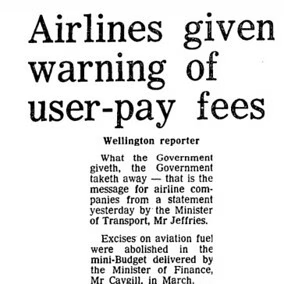
AIANZ lobbies for changes to be made regarding unfair ACC levies
1990
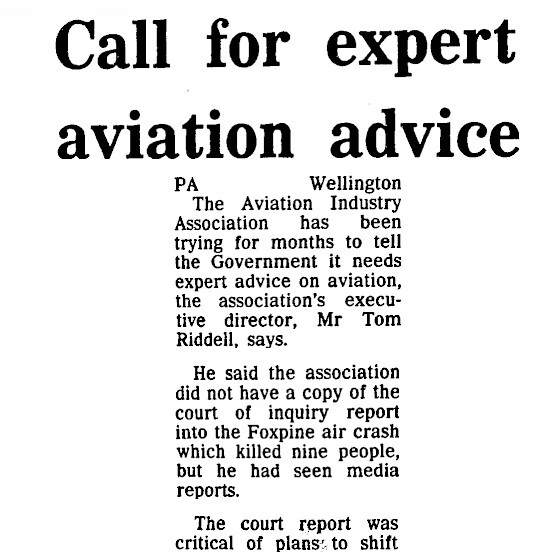
Push for standalone Civil Aviation Authority
AIA continues to lobby the government to ensure that the CAA remains seperate from the Ministry of Transport in order to ensure that the aviation communities interests remain at the heart of the CAA.
1990
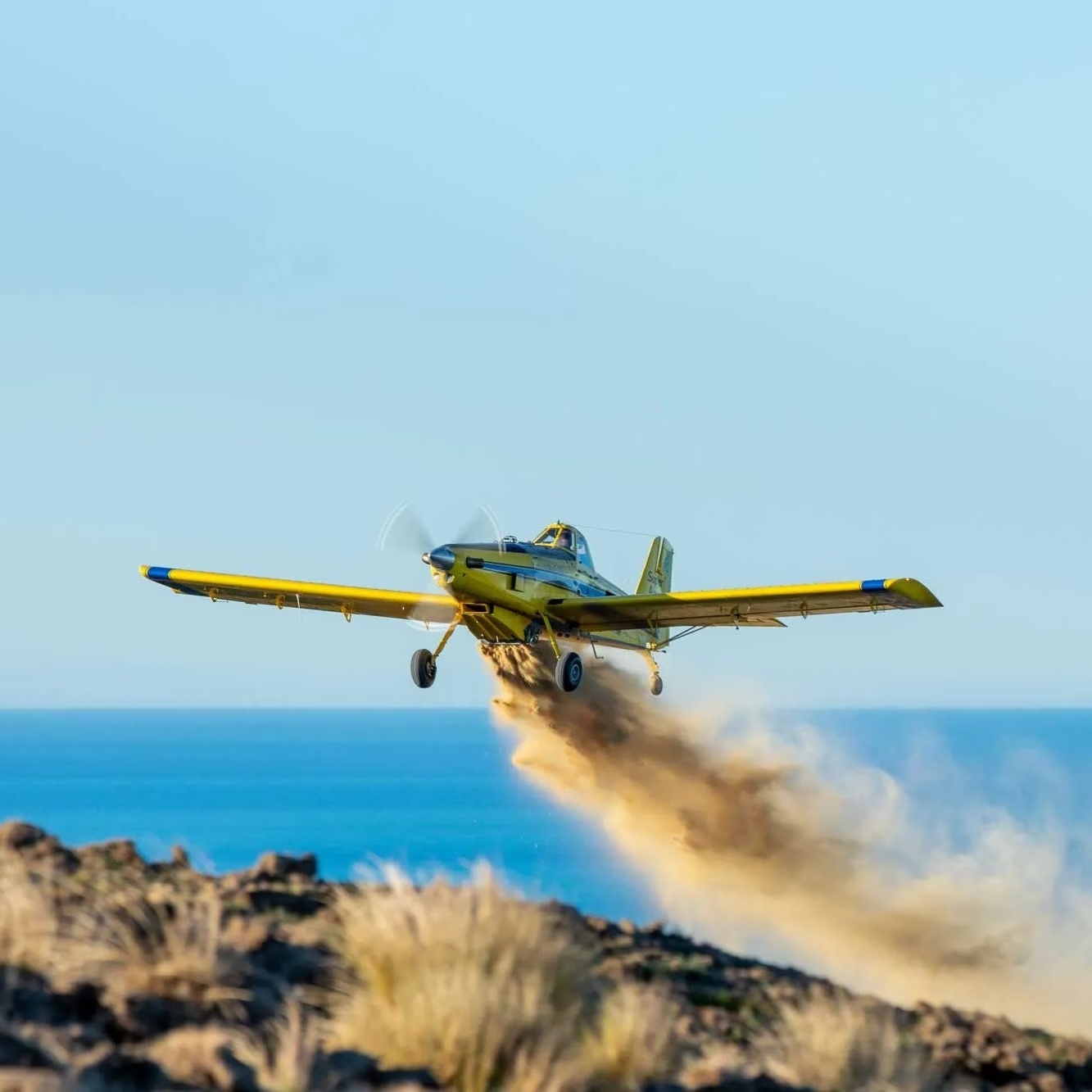
AIANZ renames Aerial Works division to Agricultural Aviation Division
1991
Engineering apprenticeship scheme launched
1991
Flight Training Division created
1992
Standalone Civil Aviation Authority created
1993
Supply Division renamed to Supply & Services
1994
First helicopter safety conference delivered
1994
MOU signed between CAA and AIA
MOU was signed between the CAA and AIA in regards to the frequency of meeting and role of AIANZ as an advisory board to the CAA.
1996
Agricultural Aviation Division renamed to NZAAA
1997
Engineering field safety officer appointed
1998
Christchurch International terminal opened
1999
MRA with EU signed
A mutal recognition agreement (MRA) was signed between the CAA and EU in terms of civil aviation rules being recognised within the EU.

2009
AIA engineering body rebranded to AEANZ
2014
UAVNZ formed under Aviation NZ
2023
AIA renamed to AIANZ
2023
SSE & AEANZ renamed
2023
Immigration pathways for engineers secured

2023
IANZ T&D members travel to Vietnam
IANZ T&D members travel to Vietnam with the support of Education NZ, to re-establish business opportunities for trainers in New Zealand, following the Covid pandemic.
Our Partners
Who do we work with?
To advance and protect the interests of our members, we work closely with the regulator agency, the Civil Aviation Authority (CAA), the policy agency, the Ministry of Transport (MOT), and other agencies that have a stake in the success of our sector.
Such agencies include the Ministry for Primary Industries, the Ministry of Business, Innovation and Employment and specifically Immigration New Zealand.
More recently, our relationships at a local government level with territorial local authorities (TLAs) are critical given their involvement in aviation matters at a local level.